Title: Bangladesh Fights Pollution with Low-Cost Kiln Interventions
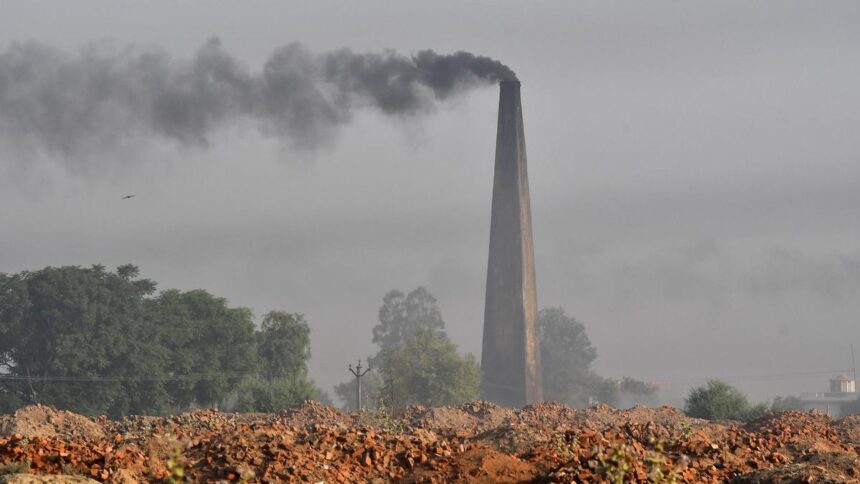
Introduction: In Bangladesh, one of the world’s most polluted countries, efforts to clean up the airways have struggled. According to a study, brick kilns, which are a significant source of this pollution, present a viable solution to air quality issues.
Study Highlights:
Careful Interventions Make a Difference
A recent study published in Science found that simple, low-cost measures can significantly reduce emissions from brick kilns. Conducted by researchers from the U.S., Bangladesh, and India, the experiment involved 276 kilns in Bangladesh over the brick-firing season from November to May 2022-2023.
The study included three main phases, providing both technical assistance and monetary incentives to kiln owners. Innovative techniques from single fireman continuous feeding to improving brick stacking and air circulation effectively reduced energy use by 23%, carbon dioxide emissions by 20%, mandated paving the way for improved brick quality and lower fuel costs per brick.
Other\Facades from the findings echo the study’s main conclusion: Proper operational improvements can boost energy efficiency without compromising worker welfare.
Implications and Future Prospects:
Despite the unconventional approach, the researchers are optimistic about scaling these interventions in Bangladesh and encapsulating them into a broader project of state regulation aimed at controlling emissions, particularly in regions like South Asia plagued by严峻 air pollution and rising energy demands.
Brick kilns occur across South Asian countries, facing similar challenges to those in Bangladesh. Policy changes and better corporate regulations could curb pollution in these regions, key themes of a recently published study that underscores the need for modern strategies in fighting environmental degradation.