Astronomers Discover Possible Evidence of Life on a New Planet
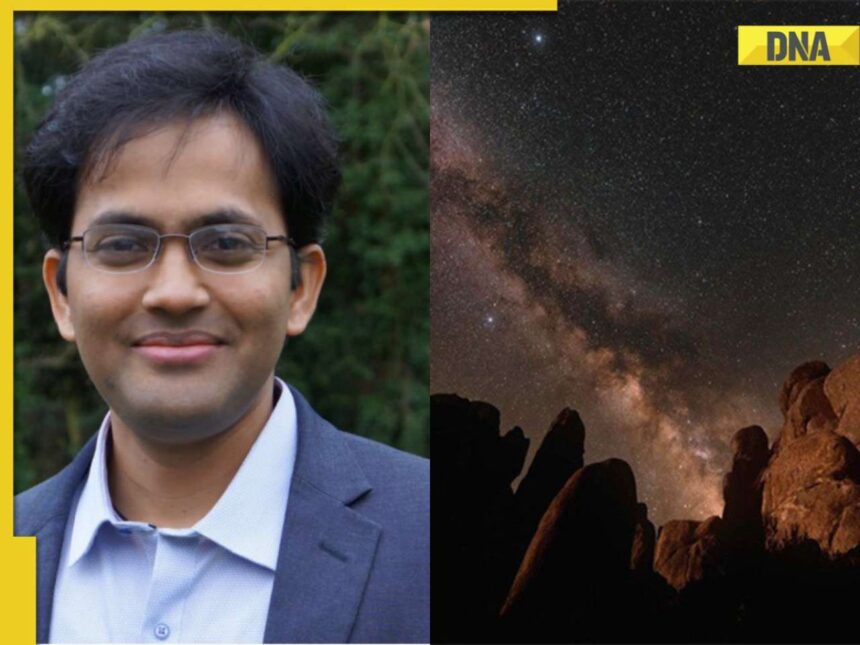
A team of researchers, led by Indian-origin astrophysicist Dr. Nikku Madhusudhan, has claimed to have found the strongest evidence yet of extraterrestrial life, not in our solar system but on a massive planet called K2-18b, which orbits a star 120 light-years from Earth.
Who is Nikku Madhusudhan?
Dr. Nikku Madhusudhan is an Indian-origin professor of astrophysics and exoplanetary science at the Institute of Astronomy, University of Cambridge. He completed his PhD in Physics from the Massachusetts Institute of Technology (MIT) in 2009 and has since worked on exoplanets, atmospheres, and biomarkers.
What was the Discovery?
The researchers analyzed the atmosphere of K2-18b and found an abundance of a molecule that is only known to exist on Earth in the form of marine algae. This suggests the possibility of life on the planet. However, Dr. Madhusudhan emphasized that it is premature to claim that life has been detected.
What Does This Mean?
The best explanation for the findings is that K2-18b is covered with a warm ocean, brimming with life. This is a significant discovery, as it marks the first time humanity has seen potential biosignatures on a habitable planet. The study was published in the Astrophysical Journal Letters, and other researchers are excited about the potential implications but are cautious about drawing grand conclusions.
What Does This Mean for Future Discoveries?
Dr. Madhusudhan noted that the discovery of biomarkers on K2-18b suggests that the planet might be habitable. He also mentioned that controlled disclosure is happening on many fronts, indicating that the findings are being shared responsibly.
Reference : https://www.dnaindia.com/science/report-who-is-nikku-madhusudhan-indian-origin-astrophysicist-who-detected-new-exoplanet-k-2-18b-with-possible-evidence-of-life-biomarkers-3146560