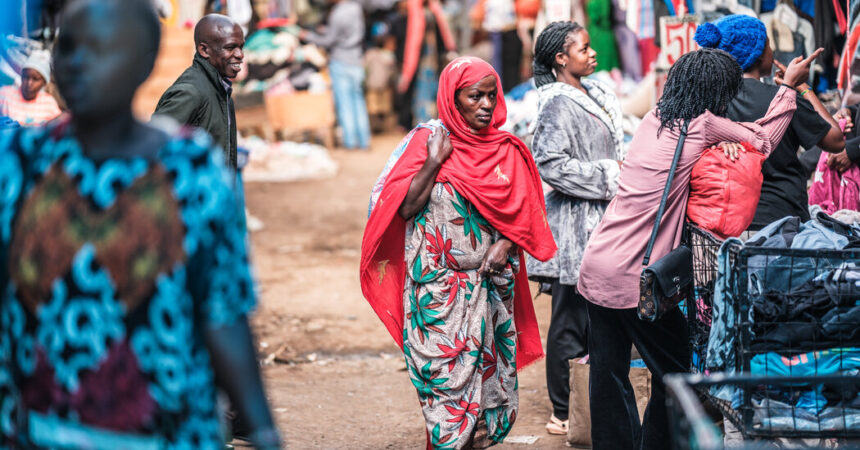
Kenya’s Payroll Taxes and the Cost of Living Crisis
Kenya’s government has implemented significant payroll taxes to fund new initiatives like affordable housing and health insurance. These measures have led to a 9% reduction in take-home pay for employees earning $350 per month, according to a recent report.
The increased payroll taxes are part of President William Ruto’s efforts to raise revenue and pay off Kenya’s staggering foreign debt. New excise taxes have been imposed on sugar, alcohol, and plastics, while business profits are taxed at a rate of 3%. Government fees for money transfers and internet services have also increased by 15-20%.
However, these tax hikes are particularly impactful for countries like Kenya, which spends nearly 60% of its revenue on debt repayment. The country faces a critical financial crisis, with low incomes and high debt levels. Kenya needs billions of dollars for basic medical care, schools, clean water, and disaster relief, but limited options exist for raising revenue.
According to estimates, 83% of the country’s labor force works in informal jobs, making it difficult for the government to collect taxes. This means that the small percentage of the population working in enterprises that record salaries bears the majority of the tax burden.
The economic crisis has also led to a decline in the value of the shilling, making imports more expensive. Six months ago, a thousand shillings were enough for basic necessities, but now, the same amount buys only sugar and flour.
Last year, proposed tax increases sparked deadly riots in Nairobi, where more than 50 people were killed and part of Parliament was set on fire. The government temporarily backed down but reimposed many of the additional taxes and fees a few weeks later.
The government is currently discussing a new loan package with the International Monetary Fund, but critics argue that the Ruto administration lacks the ability to pay back the debt or provide essential services. Regular reports from the country’s auditor general highlight gross examples of corruption and mismanagement.
Despite the government’s efforts, Kenyans are increasingly angry about the lack of public services. In November, a crowd of frustrated residents forced their council representative to walk through flooded streets, highlighting the crumbling infrastructure.
The situation in Kibera, the largest urban slum in Africa, is particularly dire. With no government-funded sanitation services, residents navigate through piles of garbage and raw sewage. The jampacked skyline features ramshackle homes and haphazard electricity connections, making it difficult for residents to earn a living.
With Kenya’s high level of debt, there are no easy options for raising revenue. Expanding the tax base by bringing more businesses and people into the system is crucial, but there are too many exemptions. The government’s new budget, set to be finalized in June, could potentially include further tax increases.
Many Kenyans fear more protests and riots as they struggle to pay the rising taxes. Despite the government’s efforts, the situation in Kenya remains dire, with the cost of living continuing to rise and essential services crumbling.
Reference : https://www.nytimes.com/2025/05/04/business/economy/kenya-debt-taxes.html