Sign In
  • INDIA
  • GUJARAT
The Prime News Network
  • Home
  • Top Story
  • Science
  • Politics
  • Market
  • Health
  • Entertainment
  • Jobbs
  • Search
Reading: BIG NEWS : પીએમ મોદીએ કાશ્મીરમાં વિશ્વના સૌથી ઉંચા રેલવે પુલનું લોકાર્પણ કર્યું, તિરંગો ફરકાવ્યો BIG NEWS : PM મોદીએ કાશ્મીરમાં વિશ્વના સૌથી ઊંચા રેલવે પુલનું લોકાર્પણ કર્યું, તિરંગો ફરકાવ્યો
Share
The Prime News NetworkThe Prime News Network
Font ResizerAa
Search
Have an existing account? Sign In
Follow US
© 2022 Foxiz News Network. Ruby Design Company. All Rights Reserved.

Home » BIG NEWS : પીએમ મોદીએ કાશ્મીરમાં વિશ્વના સૌથી ઉંચા રેલવે પુલનું લોકાર્પણ કર્યું, તિરંગો ફરકાવ્યો BIG NEWS : PM મોદીએ કાશ્મીરમાં વિશ્વના સૌથી ઊંચા રેલવે પુલનું લોકાર્પણ કર્યું, તિરંગો ફરકાવ્યો

National

BIG NEWS : પીએમ મોદીએ કાશ્મીરમાં વિશ્વના સૌથી ઉંચા રેલવે પુલનું લોકાર્પણ કર્યું, તિરંગો ફરકાવ્યો BIG NEWS : PM મોદીએ કાશ્મીરમાં વિશ્વના સૌથી ઊંચા રેલવે પુલનું લોકાર્પણ કર્યું, તિરંગો ફરકાવ્યો

THE PRIME NEWS NETWORK
Last updated: June 6, 2025 7:04 am
THE PRIME NEWS NETWORK
Share
BIG NEWS : પીએમ મોદીએ કાશ્મીરમાં વિશ્વના સૌથી ઉંચા રેલવે પુલનું લોકાર્પણ કર્યું, તિરંગો ફરકાવ્યો   BIG NEWS : PM મોદીએ કાશ્મીરમાં વિશ્વના સૌથી ઊંચા રેલવે પુલનું લોકાર્પણ કર્યું, તિરંગો ફરકાવ્યો
SHARE

PM મોદીની કાશ્મીરમાં મુલાકાત, ચિનાબ બ્રિજનું ઉદ્ઘાટન ### ચિનાબ બ્રિજ છે દુનિયાનો સૌથી ઊંચો રેલવે આર્ચ બ્રિજ વડાપ્રધાન નરેન્દ્ર મોદી શુક્રવારે (6 જૂન) જમ્મુ-કાશ્મીરની મુલાકાતે છે. તેઓ અહીં ચિનાબ બ્રિજનું ઉદ્ઘાટન કર્યું છે. ચિનાબ બ્રિજ દુનિયાનો સૌથી ઊંચો રેલવે આર્ચ બ્રિજ છે. આ બ્રિજ કાશ્મીર ઘાટીને આખા ભારત સાથે દરેક ઋતુમાં રેલ સંપર્ક પ્રદાન કરશે. આ ઉપરાંત, કટરા-શ્રીનગર યાત્રાનો સમય ઘટાડશે. પહલગામમાં થયેલા આતંકી હુમલા બાદ વડાપ્રધાનની આ પહેલી કાશ્મીર મુલાકાત છે. અહીં તેઓ 46 હજાર કરોડની યોજનાઓની ભેટ આપશે. ### દિલ અને દિલ્હીનું અંતર ઘટાડશે ચિનાબ બ્રિજના ઉદ્ઘાટનથી કનેક્ટિવિટીમાં સુધારો થશે. આનાથી ‘દિલની દૂરી અને દિલ્હીનું અંતર ઘટશે’ એવુંપણ કહેવામાં આવે છે. વડાપ્રધાનની કાશ્મીર પ્રવાસ બાદ પર્યટન અને આર્થિક વિકાસને પણ વેગ મળશે. ### મુસાફરીના સમયમાં થશે ઘટાડો વડાપ્રધાને ચિનાબ બ્રિજ અને અંજી પુલનું ઉદ્ઘાટન કર્યું છે. આ રેલ લિંક યોજનાનો મહત્ત્વપૂર્ણ ભાગ છે. આ યોજના હેઠળ બનાવવામાં આવેલો આ પુલ કાશ્મીર ઘાટીના ભાગને ભારત સાથે જોડશે. જેનાથી મુસાફરીનો સમય ઘટીને 3 કલાક થઈ જશે અને વેપાર તેમજ પ્રવાસ ઉદ્યોગને પણ વેગ મળશે.

Reference

Subscribe to Our Newsletter
Subscribe to our newsletter to get our newest articles instantly!
Share This Article
Email Copy Link Print
Previous Article New 'Sapphire' Music Video Premieres: Inside Ed Sheeran's India Joyride Experience New ‘Sapphire’ Music Video Premieres: Inside Ed Sheeran’s India Joyride Experience
Next Article NDA Government Allegedly Uses SIT as Political Tool in Liquor Case, YSRCP Leader Charges Pregnancy Allegations Leave Remote Hamlet in Sathya Sai District in Turmoil
Leave a Comment

Leave a Reply Cancel reply

Your email address will not be published. Required fields are marked *

You Might Also Like

સિંધુ-સતલજ જેવી નદીઓ ભારતમાંથી નહીં વહે? પાણીનો વહેર શું રોકાશે?
National

સિંધુ-સતલજ જેવી નદીઓ ભારતમાંથી નહીં વહે? પાણીનો વહેર શું રોકાશે?

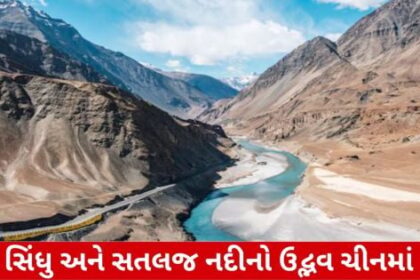
ચીન સિંધુ અને સતલજનું પાણી રોકી શકે છે? જાણો આ નદીઓનું મૂળ ચીન પોતાની જમીનમાંથી વહેતી સિંધુ અને સતલજ નદીઓનું…

2 Min Read
અભિવ્યક્તિની સ્વતંત્રતાનો અર્થ સેનાને બદનામ કરવી નથી - અલ્હાબાદ હાઈકોર્ટે રાહુલ ગાંધીને ઠપકો આપ્યો
Understanding the Judgment Against Rahul Gandhi
Introduction
The recent decision by the Allahabad High Court to dismiss Congress leader Rahul Gandhi's plea to stay his conviction in a 2019 defamation case is a significant development in Indian political and legal circles. This article delves into the details of the case, the court's reasoning, and the potential consequences for Gandhi's political future.
Background of the Case
In 2019, Rahul Gandhi made a statement during an election rally in Kolar, Karnataka, which the Bharatiya Janata Party (BJP) deemed defamatory. The BJP claimed that Gandhi's remarks tarnished the image of the Prime Minister and the ruling party, leading to a defamation case being filed against him. The Surat court found Gandhi guilty of criminal defamation and sentenced him to two years in prison in 2021, which was later suspended by the Gujarat High Court.
Court's Reasoning for Dismissal
The Allahabad High Court, in its recent ruling, upheld the lower court's decision, emphasizing that freedom of speech does not grant an individual the right to defame others. The court highlighted that Gandhi's statements were not made in good faith or for the public good, and they did not contribute to any serious or substantive discussion on public issues. Instead, they were considered derogatory and damaging to reputation, crossing the line into the realm of criminal defamation.
Implications of the Judgment
The dismissal of Gandhi's plea means that his conviction stands, and he will have to face the legal consequences, which could include serving the remaining part of his sentence if the conviction is not overturned on further appeal. This decision could have profound implications for Gandhi's political career, potentially barring him from contesting elections and holding public office for the duration of the sentence.
Conclusion
The Allahabad High Court's judgment serves as a reminder that the right to free speech is not absolute and comes with responsibilities. While it is crucial to protect the right to criticize and express opinions, the misuse of this right to intentionally harm others' reputations is not tolerated under the law. The outcome of this case will be closely watched as it unfolds, impacting not only Rahul Gandhi's future but also setting precedents for the interpretation of freedom of speech in India.
National

અભિવ્યક્તિની સ્વતંત્રતાનો અર્થ સેનાને બદનામ કરવી નથી – અલ્હાબાદ હાઈકોર્ટે રાહુલ ગાંધીને ઠપકો આપ્યો

Understanding the Judgment Against Rahul Gandhi

Introduction

The recent decision by the Allahabad High Court to dismiss Congress leader Rahul Gandhi’s plea to stay his conviction in a 2019 defamation case is a significant development in Indian political and legal circles. This article delves into the details of the case, the court’s reasoning, and the potential consequences for Gandhi’s political future.

Background of the Case

In 2019, Rahul Gandhi made a statement during an election rally in Kolar, Karnataka, which the Bharatiya Janata Party (BJP) deemed defamatory. The BJP claimed that Gandhi’s remarks tarnished the image of the Prime Minister and the ruling party, leading to a defamation case being filed against him. The Surat court found Gandhi guilty of criminal defamation and sentenced him to two years in prison in 2021, which was later suspended by the Gujarat High Court.

Court’s Reasoning for Dismissal

The Allahabad High Court, in its recent ruling, upheld the lower court’s decision, emphasizing that freedom of speech does not grant an individual the right to defame others. The court highlighted that Gandhi’s statements were not made in good faith or for the public good, and they did not contribute to any serious or substantive discussion on public issues. Instead, they were considered derogatory and damaging to reputation, crossing the line into the realm of criminal defamation.

Implications of the Judgment

The dismissal of Gandhi’s plea means that his conviction stands, and he will have to face the legal consequences, which could include serving the remaining part of his sentence if the conviction is not overturned on further appeal. This decision could have profound implications for Gandhi’s political career, potentially barring him from contesting elections and holding public office for the duration of the sentence.

Conclusion

The Allahabad High Court’s judgment serves as a reminder that the right to free speech is not absolute and comes with responsibilities. While it is crucial to protect the right to criticize and express opinions, the misuse of this right to intentionally harm others’ reputations is not tolerated under the law. The outcome of this case will be closely watched as it unfolds, impacting not only Rahul Gandhi’s future but also setting precedents for the interpretation of freedom of speech in India.

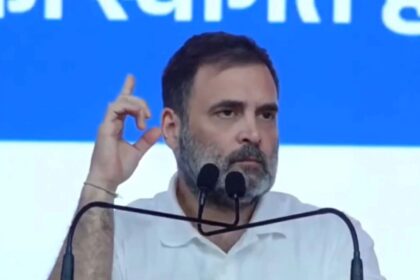
અલ્હાબાદ હાઈકોર્ટે રાહુલ ગાંધી સામે કડક ટિપ્પણી અલ્હાબાદ હાઈકોર્ટે ભારતીય સેના વિરુદ્ધ અપમાનજનક ટિપ્પણી કરવા બદલ કોંગ્રેસના નેતા રાહુલ ગાંધી…

2 Min Read
એર ઇન્ડિયા એક્સપ્રેસ ફ્લાઇટ નંબર ‘171’ વધુ નહીં ઉપયોગે    Explanation:  - The key information is that Air India (એર ઇન્ડિયા) will no longer use flight number '171' (ફ્લાઇટ નંબર ‘171’) after the accident (દુર્ઘટના પછી). - The rewritten title starts with "એર ઇન્ડિયા" to make it clear that this is about Air India's decision. - The focus is on the decision to not use the flight number anymore, so the title directly states "એર ઇન્ડિયા એક્સપ્રેસ ફ્લાઇટ નંબર ‘171’ વધુ નહીં ઉપયોગે" (Air India Express will no longer use flight number '171'). - "એક્સપ્રેસ" (express) is included to specify that this is about Air India Express, not the main Air India airline. - The style is straightforward and news-focused, avoiding any additional fluff or embellishments. - The length is concise to fit the character limit while still conveying the key message.
National

એર ઇન્ડિયા એક્સપ્રેસ ફ્લાઇટ નંબર ‘171’ વધુ નહીં ઉપયોગે Explanation: – The key information is that Air India (એર ઇન્ડિયા) will no longer use flight number ‘171’ (ફ્લાઇટ નંબર ‘171’) after the accident (દુર્ઘટના પછી). – The rewritten title starts with “એર ઇન્ડિયા” to make it clear that this is about Air India’s decision. – The focus is on the decision to not use the flight number anymore, so the title directly states “એર ઇન્ડિયા એક્સપ્રેસ ફ્લાઇટ નંબર ‘171’ વધુ નહીં ઉપયોગે” (Air India Express will no longer use flight number ‘171’). – “એક્સપ્રેસ” (express) is included to specify that this is about Air India Express, not the main Air India airline. – The style is straightforward and news-focused, avoiding any additional fluff or embellishments. – The length is concise to fit the character limit while still conveying the key message.

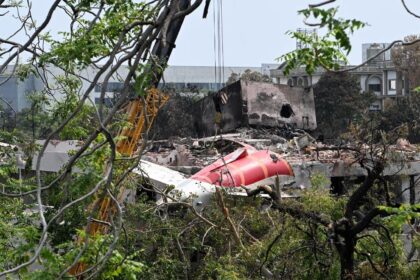
એર ઇન્ડિયા ફ્લાઇટ ક્રેશ: ફ્લાઇટ નંબર '171' બંધ કરાયો, નવો નંબર '159' થશેએર ઇન્ડિયાના એક વિમાનના ગુરુવારે થયેલા જીવલેણ અકસ્માત…

2 Min Read
સંભાળ: અલ્હાબાદ HCએ જામા મસ્જિદના સર્વે મામલામાં મુસ્લિમ પક્ષને ઝટકો, ફગાવી અરજી  manners  The Allahabad High Court recently declined to grant any relief to one of the parties of the Gyanvapi Masjid case, which is currently under consideration. The Court, however, refused to go into the title suit status and instead iterated that the matter was under the consideration of the lower court.  

It is worth mentioning here that the Supreme Court is also seized of a petition filed by the Anjuman Intezamia Committee (AIC), which is against the decision of the Allahabad High Court dismissing its plea against an order passed by the Varanasi district court. The Anjuman Intezamia Committee is the management committee of the Gyanvapi mosque and had challenged an order of the Varanasi district court allowing a court-mandated survey. The AIC had challenged the court-mandated survey and the order of the trial court to place the 'Shivling' in a sealed container within the complex.  

The management also argues that the mosque is not a part of the Waqf properties and that it is an integral part of Gyanvapi Mosque, which is not the subject matter of the original Shia Waqf Suit (No. 1). It argues that only the original parties to the suit are involved in the suit. The mosque committee claims that it was not given an opportunity to be heard in the suit.  

Despite the claims, the Allahabad High Court has refused to grant any relief to the mosque management. It, however, has acknowledged that the mosque is a Wakf property, and that it is the subject matter of a previous litigation.  

It is very likely that the matter will proceed to the Supreme Court for further consideration. The appellate court has already ruled on the matter, and its decision will no doubt be contested in the apex court.  

Additionally, the seven-judge bench of the Apex Court is also currently hearing the case relating to the land in the Gyanvapi Masjid area, which is surrounded by Hindu temples. The Court has directed both the parties to the case to file their respective affidavits within four weeks.  

The Allahabad High Court had earlier noted that the Varanasi judge had erred in his observations that the place in dispute is not a mosque or that it is not a Waqf property. The High Court further said that the Varanasi judge has not considered the implications of the Places of Worship (Special Provisions) Act, 1991, and the Waqf Act, 1995.  

The Court further observed that the lower court did not appropriately apply its mind to the matter. .
National

સંભાળ: અલ્હાબાદ HCએ જામા મસ્જિદના સર્વે મામલામાં મુસ્લિમ પક્ષને ઝટકો, ફગાવી અરજી manners The Allahabad High Court recently declined to grant any relief to one of the parties of the Gyanvapi Masjid case, which is currently under consideration. The Court, however, refused to go into the title suit status and instead iterated that the matter was under the consideration of the lower court. It is worth mentioning here that the Supreme Court is also seized of a petition filed by the Anjuman Intezamia Committee (AIC), which is against the decision of the Allahabad High Court dismissing its plea against an order passed by the Varanasi district court. The Anjuman Intezamia Committee is the management committee of the Gyanvapi mosque and had challenged an order of the Varanasi district court allowing a court-mandated survey. The AIC had challenged the court-mandated survey and the order of the trial court to place the ‘Shivling’ in a sealed container within the complex. The management also argues that the mosque is not a part of the Waqf properties and that it is an integral part of Gyanvapi Mosque, which is not the subject matter of the original Shia Waqf Suit (No. 1). It argues that only the original parties to the suit are involved in the suit. The mosque committee claims that it was not given an opportunity to be heard in the suit. Despite the claims, the Allahabad High Court has refused to grant any relief to the mosque management. It, however, has acknowledged that the mosque is a Wakf property, and that it is the subject matter of a previous litigation. It is very likely that the matter will proceed to the Supreme Court for further consideration. The appellate court has already ruled on the matter, and its decision will no doubt be contested in the apex court. Additionally, the seven-judge bench of the Apex Court is also currently hearing the case relating to the land in the Gyanvapi Masjid area, which is surrounded by Hindu temples. The Court has directed both the parties to the case to file their respective affidavits within four weeks. The Allahabad High Court had earlier noted that the Varanasi judge had erred in his observations that the place in dispute is not a mosque or that it is not a Waqf property. The High Court further said that the Varanasi judge has not considered the implications of the Places of Worship (Special Provisions) Act, 1991, and the Waqf Act, 1995. The Court further observed that the lower court did not appropriately apply its mind to the matter. .

સંભલની જામા મસ્જિદ સર્વે: અલ્હાબાદ હાઇકોર્ટે મુસ્લિમ પક્ષને મોટો ફટકો અલ્હાબાદ હાઇકોર્ટે સિવિલ રિવિઝન પિટિશન ફગાવી દીધી, સંભલની સિવિલ કોર્ટમાં…

3 Min Read
The Prime News Network

News

  • Privacy Policy
  • Terms & Conditions
  • Cookie Policy
  • Copyright Policy

Country

  • Innovate
  • Gadget
  • PC hardware
  • Review
  • Software

Culture

  • Stars
  • Screen
  • Culture
  • Media
  • Videos

© The Prime News Network. Developed By TurtleSoft Solution. All Rights Reserved.

Welcome Back!

Sign in to your account

Username or Email Address
Password

Lost your password?