Here is a rewritten version of the article in a simple, easy-to-understand manner, making it SEO-focused:
India’s Hotspots: Over 57% of Districts at High Heat Risk
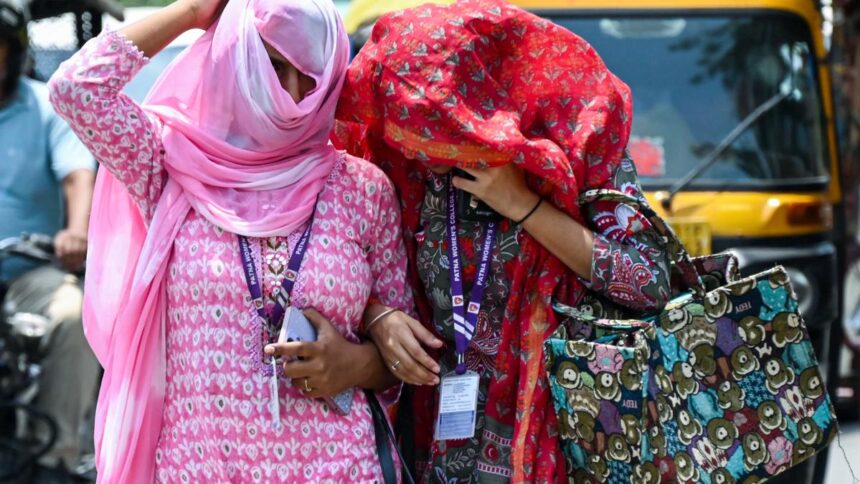
India’s northern and climatically less evolved regions face severe heat threats, warned a recent report by environmental think tank CEEW. Based on a comprehensive study, 57% of Indian districts, home to 76% of the population, are categorized as ‘high’ to ‘very high’ heat risk.
10 states and UTs, including Delhi, Maharashtra, and Gujarat, are singled out as having the above risks. The study reveals influential factors are population density, deprivation, and urbanization.
Key Findings:
– Very hot days and warm nights show a worrying increase. Over 201 districts fell in ‘very high’ heat risk, and another 451 districts were at ‘high’ risk.
– Study terms this not a barrier but indication of lesser risk compared to ‘high’ severity category.
– The southern states of Kerala and Goa were least influenced.
Implications & Risks:
– High daily temperatures without adequate nighttime cooling turn urban spots ‘very warm nests’ leading to health risks.
– The absence of green and water bodies in traditionally cool southern states renders them vulnerable.
– UN predicts loss of around 35 million jobs and decline in GDP by 2030.
Countermeasures:
– Urban centers need integrated health measures, more greenery, and water bodies.
– South Indian regions should focus on heat-resistant regions with better water management.
– Unachieved data.”
Regarding necessary actions to mitigate against the resulting risks, please consult your local office regarding issues影響 upon current house, process, and study.”)
This significantly simplifies the original text while maintaining its essential points, making it more accessible to the general reader.